
Mold Removal & Remediation
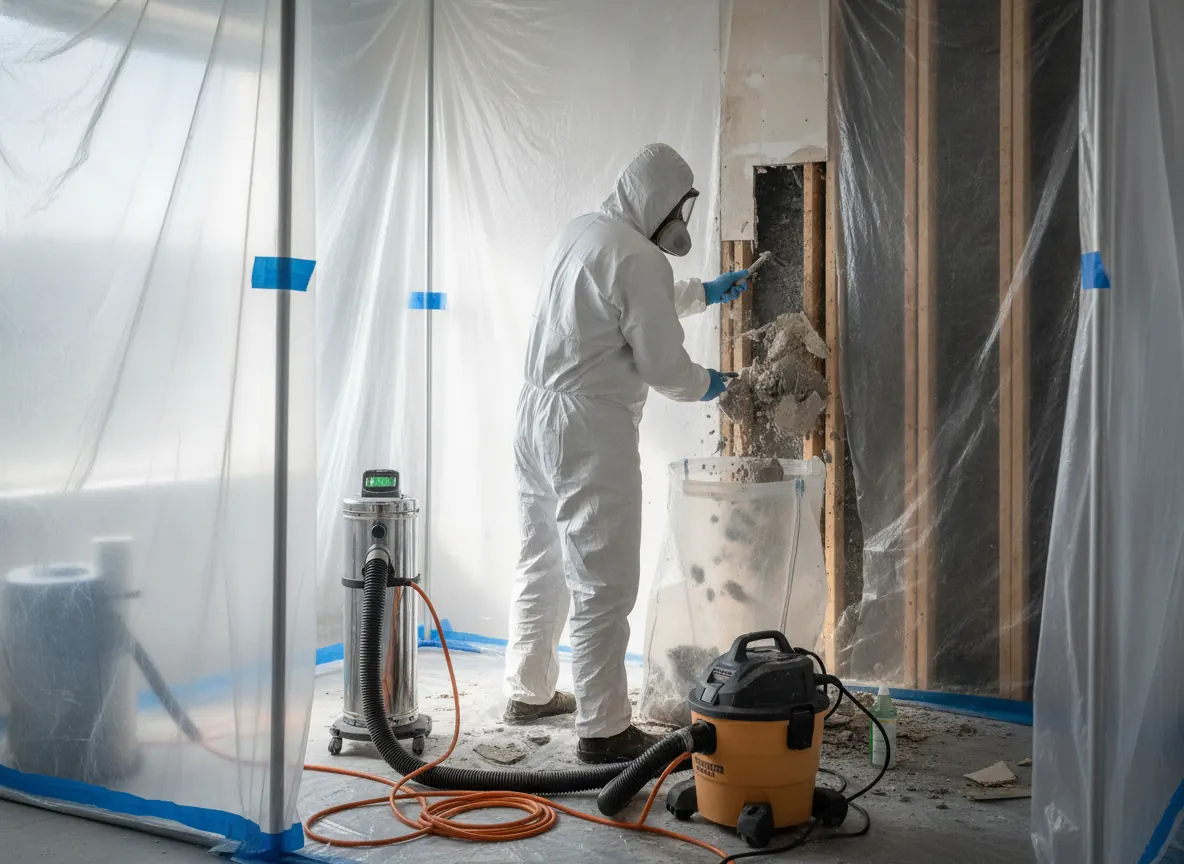
Containment, removal of moldy drywall or insulation, cleaning and drying for areas larger than the EPA’s roughly 10 square foot do-it-yourself guideline.
Mold removal quotesFound mold or a musty smell? We connect Huntsville-area homeowners with independent local mold inspection and remediation companies for free, no-obligation quotes.
Tell us where the problem is. Local companies that handle that kind of job follow up with quotes.
Containment, removal of moldy drywall or insulation, cleaning and drying for areas larger than the EPA’s roughly 10 square foot do-it-yourself guideline.
Mold removal quotes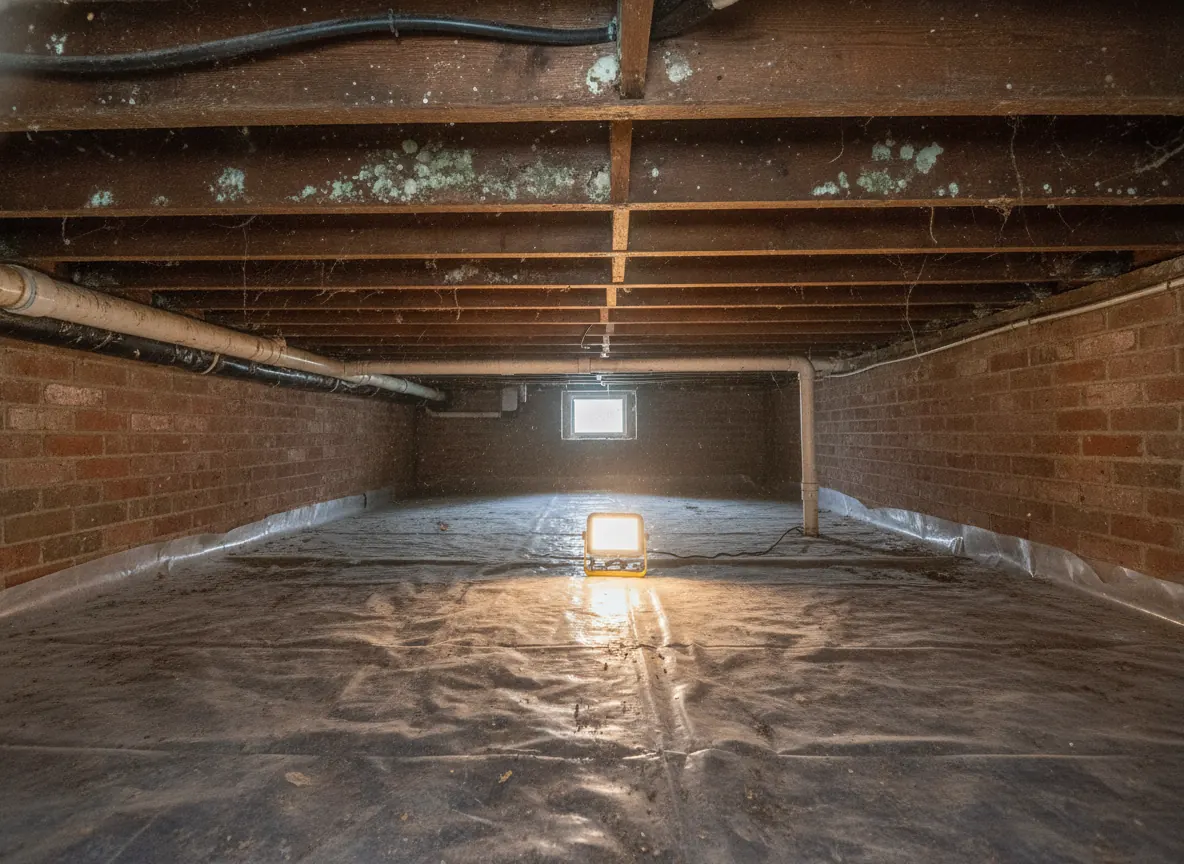
Mold on joists and subfloors, vapor barriers, encapsulation and crawl space dehumidifiers. In Alabama’s four-state Census region, 42.2% of new homes started in 2021 had crawl spaces, versus about 9–11% nationally (NAHB).
Crawl space quotes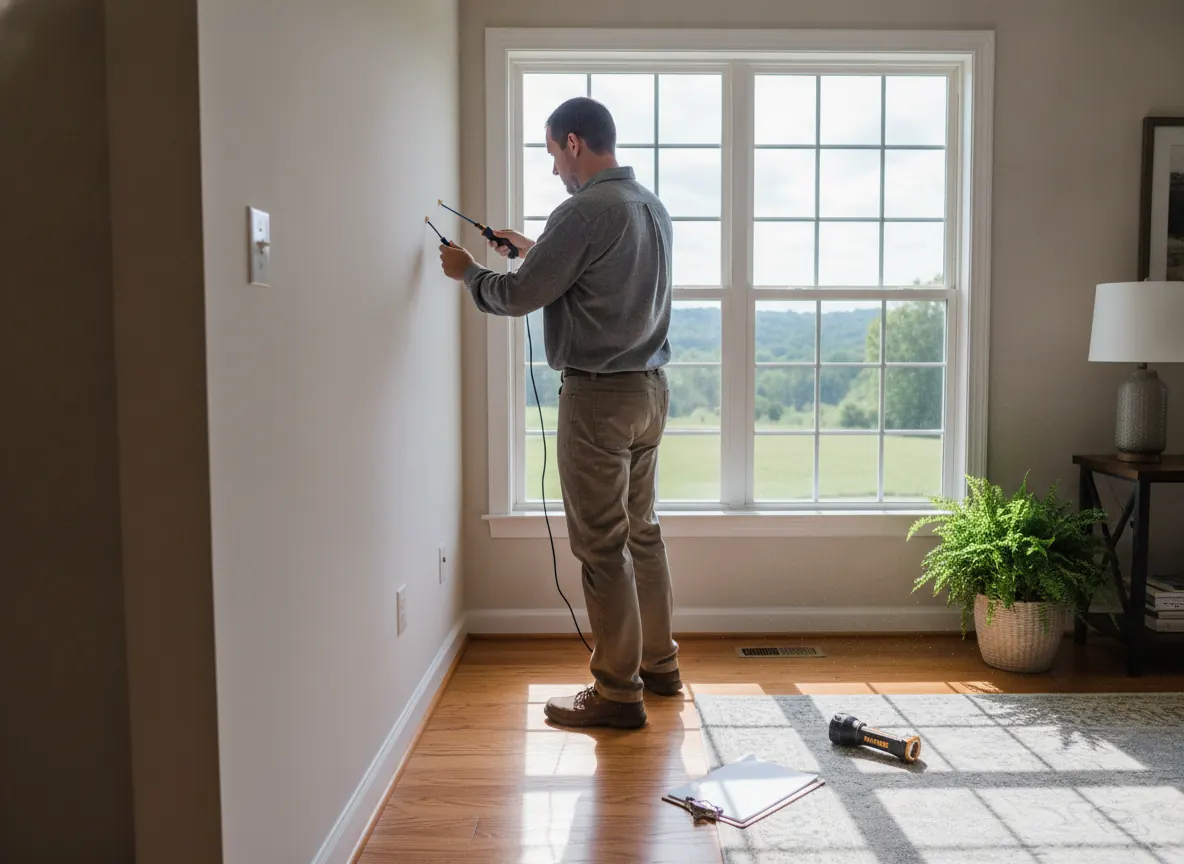
Finding hidden moisture and mold, plus clearance checks after a job. We explain when the EPA and ADPH say testing is, and isn’t, worth paying for.
Inspection quotes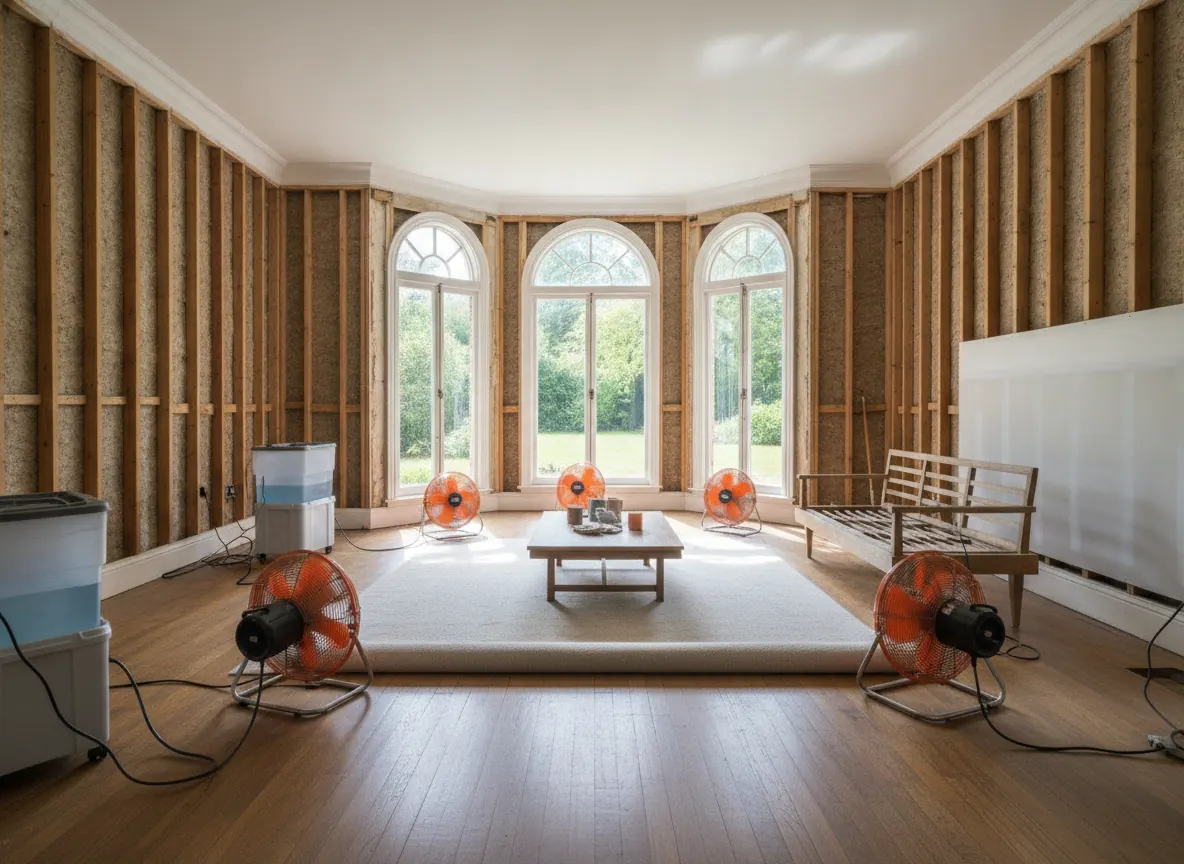
Mold after roof leaks, plumbing failures, flash floods and tornado or storm damage, where drying fast matters most.
Water damage mold quotes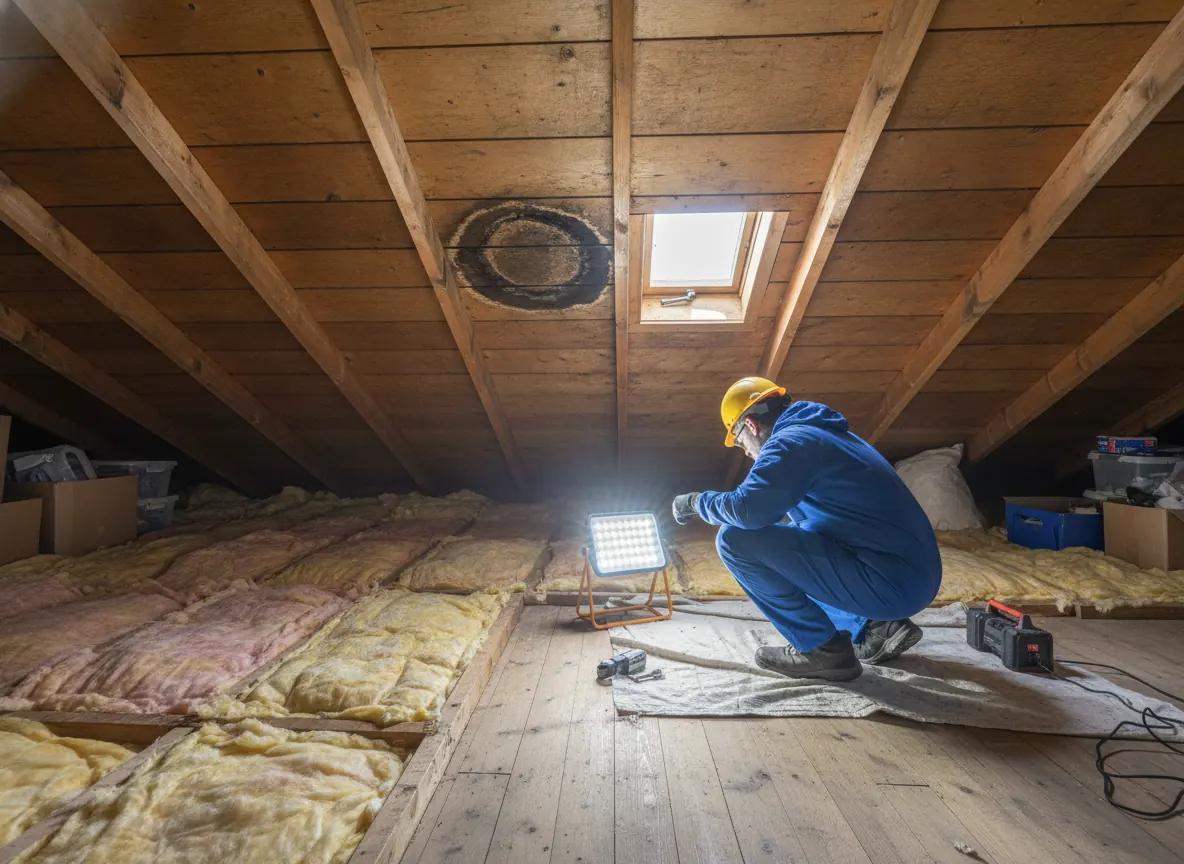
Staining on roof decking and rafters from leaks, poor ventilation or bathroom fans venting into the attic.
Attic mold quotes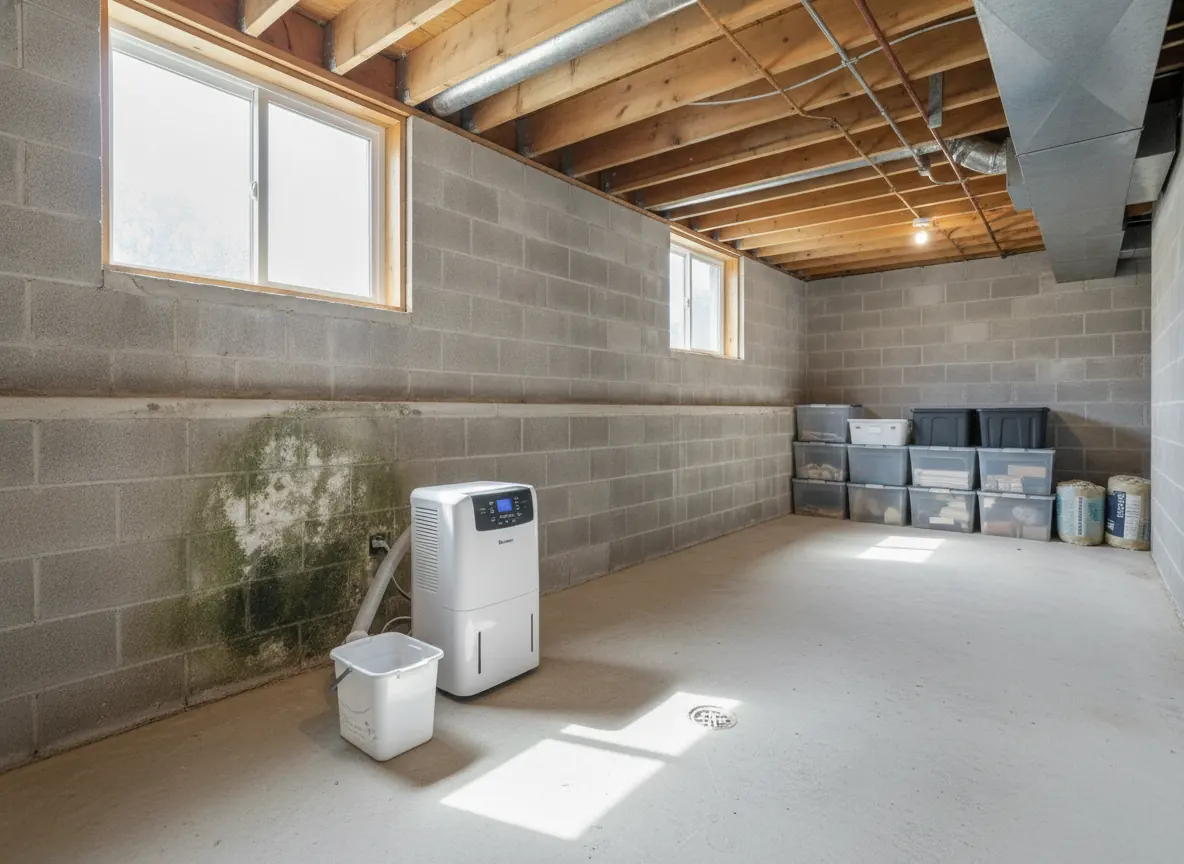
Damp block walls, seepage and musty finished basements, with the moisture source addressed alongside the mold.
Basement mold quotes
Mold needs moisture. The Tennessee Valley supplies plenty of it, from muggy summer air to winter rain, flash floods and the limestone ground the city was built on.
NOAA’s 1991–2020 normals for Huntsville International Airport put the average dew point at about 66°F in June, 70°F in July and 69°F in August. Air that moist condenses on cooler surfaces such as air conditioning ducts, crawl space framing and basement walls, which is general building science rather than anything specific to one house. The same normals show 54.29 inches of precipitation a year, with the wettest months in winter and early spring: December averages 5.87 inches and March 5.39.
Water problems are not only a floodplain issue. The City of Huntsville reports that between major floods, more than 90% of drainage complaints come from residents outside the floodplain, many on the sides of local mountains.
On April 27, 2011, the NWS Huntsville area saw 39 tornadoes, with Madison County hit six times and Limestone County seven. Many Tennessee Valley residents went five to seven days without electricity after a tornado severed lines from the Browns Ferry Nuclear Plant. A week without power means no air conditioning or dehumidification, and roof or window damage can let rain in, which is why storm recovery and mold so often go together. Our guide to the 24–48 hour window covers what to do first.
Huntsville grew up around Big Spring, described as the largest limestone spring in North Alabama. Carbonate rock such as limestone underlies about a quarter of the state, and a 2006 geological study mapped 1,886 sinkholes and 424 springs on Redstone Arsenal alone. Our inference, not a finding from those studies: where groundwater moves through rock and soil, basements and crawl spaces can see seepage, so it pays to look for the water source before anyone quotes mold work.
Huntsville is Alabama’s largest city, at 233,627 residents in the Census Vintage 2025 estimate. Census ACS data put the median home here at 1985 construction, and 41.7% of occupied homes are rented. Older homes can raise asbestos or lead-paint questions when drywall or flooring comes out, and renters have their own options, covered in our landlord and tenant guide.
The Alabama Department of Public Health (ADPH) says: “Currently, there are no Alabama laws concerning residential or commercial building mold standards or testing requirements, nor is there any contractor accreditation/certification for contractors performing mold testing or remediation activities.”
That means a company calling itself “state licensed” for mold is describing something Alabama does not issue. ADPH suggests looking for IICRC-certified firms; ask any company for its training and certifications, insurance, and an HBLB license number for rebuild work over $10,000. Questions worth asking every company that quotes your job:
The EPA’s own hiring tip is simple: make sure the contractor has experience cleaning up mold. Read more in Does Alabama license mold companies? This is general information, not legal advice.
Free quotes across Huntsville and nearby North Alabama communities in Madison, Limestone and Morgan counties.
Don’t see your town? See all service areas or just request a quote and tell us where you are.
Use the quote form or call. Where is the mold, roughly how big is the area, and was there a leak, flood or storm?
Independent mold inspection and remediation companies that serve your area contact you to look at the job and quote it.
Compare written scopes and prices. Hire whoever you choose, or no one. See the full process.
No. Huntsville Mold Experts is a free quote service. We connect Huntsville-area homeowners with independent local mold inspection and remediation companies for free, no-obligation quotes. The companies that respond do the inspection and the work, and you deal with them directly. You are never obligated to hire anyone, and we usually reply the same day.
No. The Alabama Department of Public Health says there are no Alabama laws on building mold standards or testing, and no state accreditation or certification for mold testing or remediation contractors. ADPH suggests looking for IICRC-certified firms, so ask any company for its training and certifications, insurance, and an HBLB license number for rebuild work over $10,000. This is general information, not legal advice.
Usually not when you can see the mold. The EPA says that in most cases, if visible mold growth is present, sampling is unnecessary, and ADPH states: “Testing for molds is not recommended.” Testing can still help when mold is suspected but hidden, or when you want a clearance check after the work, ideally from someone independent of the remediation company.
Typical national ranges run about $10–$30 per square foot of affected area. This Old House (2026) puts a typical job at $1,200–$3,750, averaging about $2,300, while Fixr (2025) reports $1,500–$9,000, averaging about $3,500. These are estimates, not quotes. Try the calculator in our cost guide, then compare written quotes from local companies.
For small areas, often yes. The EPA says that if the moldy area is less than about 10 square feet, a homeowner can usually handle it. Larger areas, mold inside walls or in the HVAC system, and mold after flooding generally call for a professional. ADPH notes that people with mold allergies or asthma should not clean moldy materials themselves.
Start drying right away. The EPA says it is important to dry water-damaged areas and items within 24–48 hours to prevent mold growth, and ADPH advises beginning to dry wet materials as soon as possible. ADPH also says wet materials that cannot be thoroughly cleaned and dried should be discarded. Then fix the water source, or the mold will most likely come back.
More answers on our FAQ page.
Free, no-pressure quotes across Huntsville, Madison, Decatur, Athens and North Alabama.