
Mold After Water, Flood & Storm Damage in Huntsville
Water damage turns into a mold problem when wet materials stay wet. We connect Huntsville-area homeowners with independent local mold inspection and remediation companies for free, no-obligation quotes after leaks, floods and storms.
Get a Free Quote Call (727) 300-6656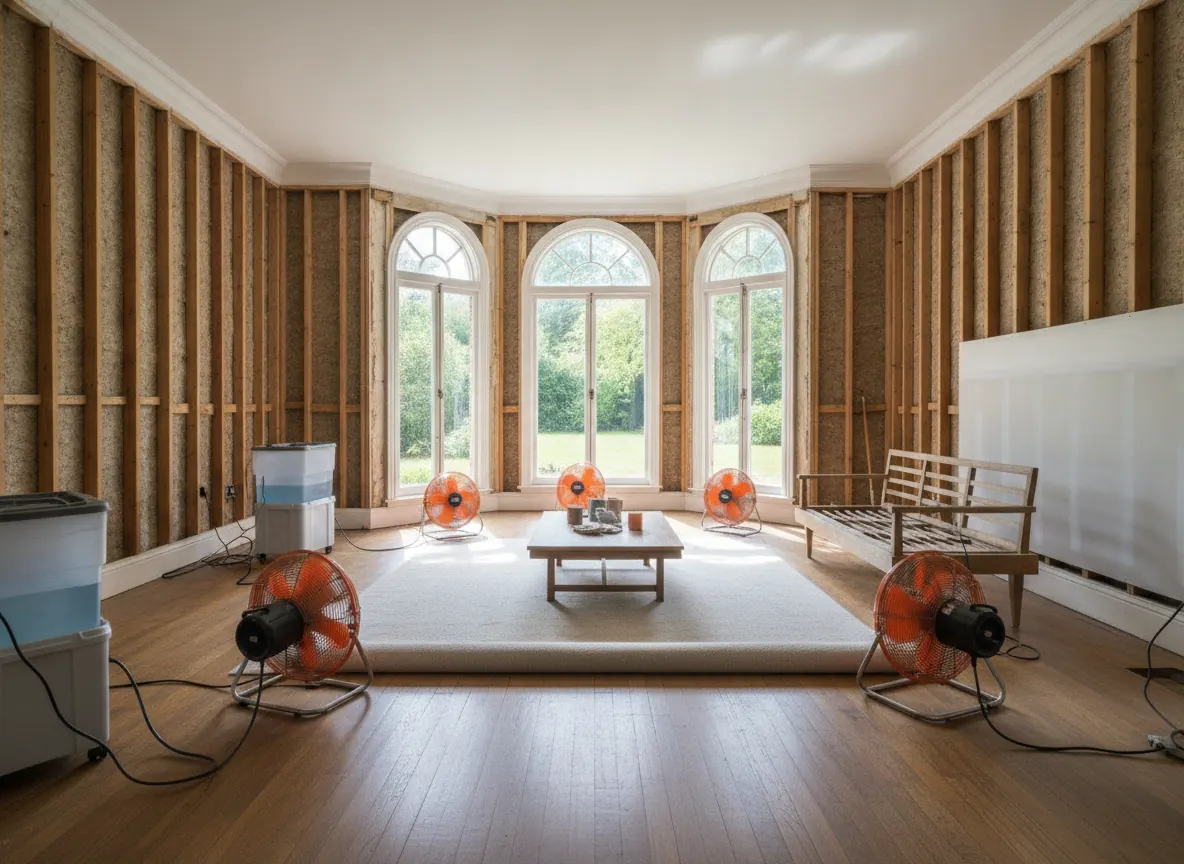
The 24–48 hour window
Timing matters more than almost anything else after water gets into a house. The EPA says: “It is important to dry water-damaged areas and items within 24-48 hours to prevent mold growth.” Its flood guidance adds that materials left wet more than two days usually grow mold.
ADPH gives the same message in simpler terms: “As soon as possible, begin drying any materials that are wet.” It also warns that “the drying out process could take several weeks, and growth of microorganisms will continue as long as humidity is high.”
What to do in the first two days
Stay safe first
Don't enter flooded rooms where electricity may be on, and follow local emergency guidance after a storm.
Stop the water
Shut off a leaking supply line, tarp a damaged roof if it's safe to do so, or call a plumber or roofer.
Document everything
Take photos and video before anything is moved or thrown away. Your insurer may ask for them.
Start drying
Remove standing water, pull up wet rugs, open cabinets and run fans and dehumidifiers if power is available.
Decide what can't be saved
ADPH says: “Materials that are wet and cannot be thoroughly cleaned and dried should be discarded.” Soaked carpet pad, insulation and the lower part of drywall often fall into this group.
The EPA also advises against running an HVAC system you know or suspect is contaminated with mold. Floodwater can carry sewage and chemicals, and ADPH says people with mold allergies or asthma should not clean moldy materials. For health questions, talk to a doctor. Our 24–48 hour storm and flood guide walks through this in more detail.
Floods and tornadoes in Huntsville's history
North Alabama has seen serious water and storm damage before. According to the National Weather Service in Huntsville, the March 1973 flood sent Huntsville Spring Branch, Pinhook Creek and Broglan Branch over their banks; Big Spring Lake overflowed and long stretches of Memorial Parkway were underwater. In the June 28, 1999 flash flood, about 300 homes and businesses in the Huntsville area flooded, with the Aldridge Creek floodplain in southeast Huntsville hit hardest.
On April 27, 2011, the NWS Huntsville area recorded 39 tornadoes, striking Madison County 6 times and Limestone County 7 times. Many Tennessee Valley residents went 5–7 days without electricity after tornado damage to lines from the Browns Ferry Nuclear Plant. A week without power can mean no air conditioning or dehumidification while a storm-damaged house sits wet.
Water problems aren't limited to floodplains, either. The City of Huntsville says that between major floods, over 90% of drainage complaints come from residents outside the floodplain, many on the sides of local mountains.
How water damage mold remediation typically works
Once drying is underway, companies typically measure moisture to find what is still wet, set up containment where mold has already started, cut out unsalvageable materials, clean and dry framing, and confirm materials are dry before rebuild. A moisture-focused inspection can help define the scope. For a general overview, see mold removal and remediation, and if water collected under the house, crawl space mold.
Typical national ranges from This Old House (2026), Fixr (2025) and Bob Vila (2024) — estimates, not quotes: mold remediation runs about $10–$30 per square foot, and a typical job runs $1,200–$3,750 (This Old House avg about $2,300). Larger storm jobs can reach the whole-house range of $10,000–$30,000. See the cost guide for more.
Rebuild after a storm: HBLB licensing applies to residential repair work over $10,000, and roofing over $2,500. ADPH says Alabama has no mold license; ADPH suggests looking for IICRC-certified firms; ask any company for its training and certifications, insurance, and an HBLB license number for rebuild work over $10,000. Coverage depends on your policy, so check with your insurer. This is general information, not legal advice.
Dealing with water right now? Request free quotes or use Call (727) 300-6656. We usually reply the same day.
Water and storm damage mold questions
How fast does mold grow after water damage?
The EPA says it is important to dry water-damaged areas and items within 24 to 48 hours to prevent mold growth, and that materials left wet more than two days usually grow mold. Starting to dry right away, and getting help for anything you can't dry quickly, is the most useful step you can take.
What should be thrown out after a flood?
ADPH says materials that are wet and cannot be thoroughly cleaned and dried should be discarded. That often includes soaked carpet and pad, insulation and the lower portion of drywall. Photograph everything first for your insurer, and ask a remediation company to confirm what can be saved before you rebuild.
Does homeowners insurance cover mold after a storm?
It depends on your policy and the cause of the water. Coverage terms vary, and flood damage is often handled under a separate flood policy. Document the damage with photos, start drying right away and call your insurer early. We can't promise coverage, but written remediation quotes can help with a claim.
Can I stay in my house while it dries out?
That depends on how much of the home is affected, whether power and HVAC are working, and the health of people living there. ADPH says people with mold allergies or asthma should not clean moldy materials. Ask the remediation company how the work area will be contained, and talk to your doctor about health concerns.
Do I need a licensed contractor to rebuild after storm damage in Alabama?
Alabama's HBLB licensing applies to residential repair or improvement work over $10,000, and roofing work over $2,500. ADPH says there is no state mold license. For rebuild work, ask for an HBLB license number along with training, certifications and insurance. This is general information, not legal advice.
Seeing or smelling mold? Get a clear plan.
Free, no-pressure quotes across Huntsville, Madison, Decatur, Athens and North Alabama.