
Mold Inspection & Testing in Huntsville, AL
A good inspection finds the moisture behind the mold. We connect Huntsville-area homeowners with independent local mold inspection and remediation companies for free, no-obligation quotes, and this page explains when inspection or testing is actually worth paying for.
Get a Free Quote Call (727) 300-6656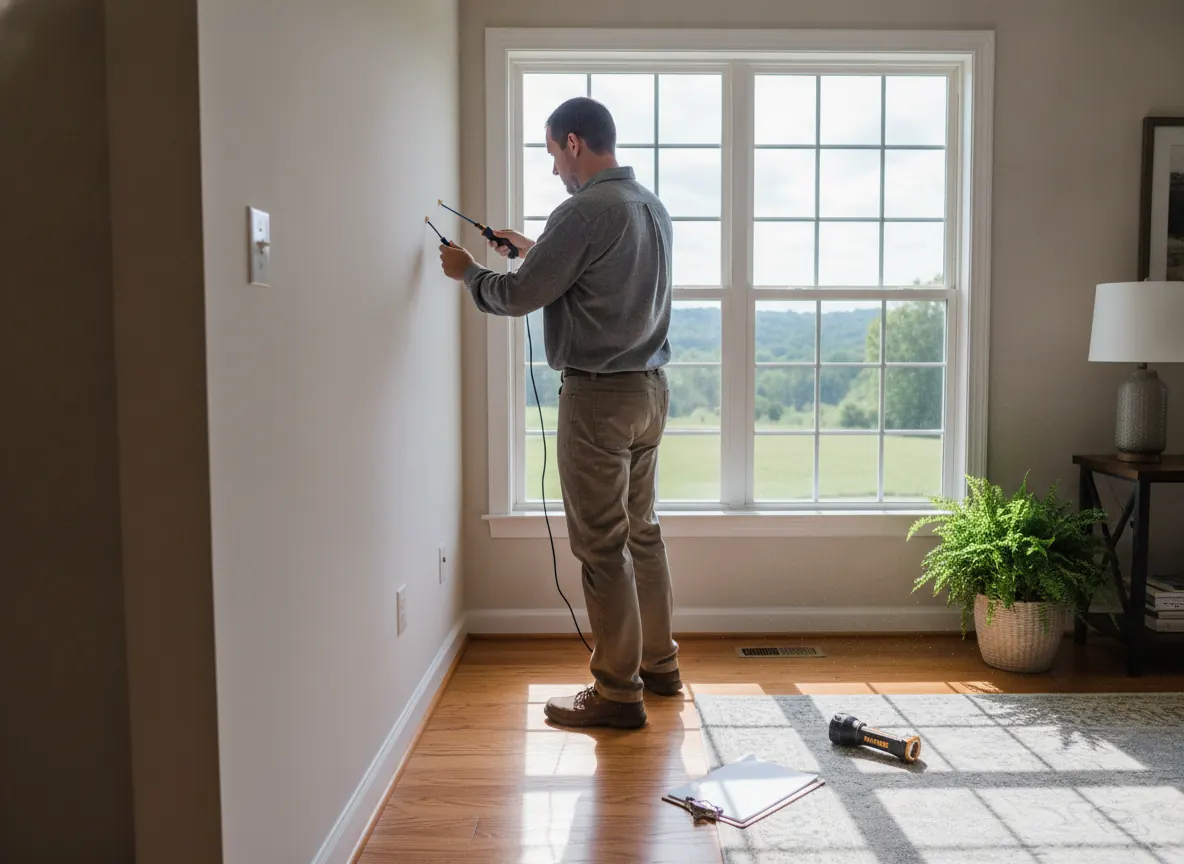
What EPA and ADPH say about mold testing
Before you pay for lab samples, it helps to know what public health agencies actually recommend. The U.S. EPA says: “In most cases, if visible mold growth is present, sampling is unnecessary.” It also notes that “No EPA or other federal limits have been set for mold or mold spores,” so there is no official number a test result can be compared against.
The Alabama Department of Public Health is even more direct: “Testing for molds is not recommended.” ADPH adds that “reliable sampling for mold can be expensive and unreliable, with results that may be inconclusive.”
That doesn't mean an inspection is useless. It means the most valuable part is usually finding the moisture, not counting spores.
Inspection vs. testing: what's the difference?
A mold inspection is a visual and moisture investigation. An inspector typically looks for growth, staining and water damage, uses a moisture meter and sometimes a thermal camera to find wet materials, and checks likely sources such as plumbing, roof leaks, HVAC condensation, grading and crawl spaces.
Mold testing means taking air or surface samples and sending them to a lab. Air samples compare indoor and outdoor spore levels; swab or tape samples identify what's growing on a surface. Because there are no federal limits, results are interpreted rather than graded pass or fail.
Want the longer version? Read Do you really need mold testing?
When an inspection can help
- You smell mustiness but can't see mold. A moisture-focused inspection can point to hidden wet areas behind walls, under floors or in a crawl space.
- You had a leak, flood or storm damage. Mapping which materials are still wet helps define what needs to be removed and dried.
- You're buying a home. Alabama generally follows “buyer beware” for used homes, so an inspection before closing gives you information you may not otherwise get. See buying or selling a home with mold in Alabama.
- After remediation. A post-remediation check, sometimes called clearance, can confirm the work area is clean and dry before walls are closed up.
- A landlord-tenant question. Documentation can help both sides understand the condition of the unit.
If mold is clearly visible and you already know the water source, you may not need testing at all. You may be able to go straight to mold removal quotes.
Independent inspector or remediation company?
Some remediation companies offer to inspect or test as well. That can be convenient, but the company that finds the problem would also be the one paid to fix it. Many homeowners prefer an independent inspector for larger jobs or clearance checks so the assessment and the cleanup come from different firms. Either way, ask how results will be explained and whether the report names the moisture source.
ADPH says Alabama has no laws on mold testing requirements and no certification for mold testing or remediation contractors. ADPH suggests looking for IICRC-certified firms; ask any company for its training and certifications, insurance, and an HBLB license number for rebuild work over $10,000. This is general information, not legal advice.
Typical inspection and testing costs
Typical national ranges from This Old House (2026), Fixr (2025) and Bob Vila (2024) — estimates, not quotes.
| Item | Typical range |
|---|---|
| Mold inspection | $450–$800 (Bob Vila: $299–$1,014, avg about $656) |
| Air sample testing | $250–$350 |
Ask whether a quoted price covers the visual and moisture inspection only, or also lab samples and a written report. For remediation costs, see the cost guide. Ready to compare? Request free inspection quotes — we usually reply the same day. If the issue is under the house, see crawl space mold.
Mold inspection and testing questions
Do I need mold testing if I can see mold?
Usually not. The EPA says that in most cases, if visible mold growth is present, sampling is unnecessary, and ADPH says testing for molds is not recommended. When mold is visible, the more useful questions are how far it extends and where the moisture is coming from, which a moisture-focused inspection can help answer.
How much does a mold inspection cost?
Typical national ranges put a mold inspection at $450 to $800, and Bob Vila reports $299 to $1,014 with an average of about $656. Air sample testing typically adds $250 to $350. These are estimates, not quotes. Ask whether lab fees and a written report are included in the price you're given.
Are there safe mold levels for a home?
No official ones. The EPA says no EPA or other federal limits have been set for mold or mold spores. That's one reason lab results are interpreted rather than graded pass or fail, and why ADPH notes that sampling can be expensive and unreliable, with results that may be inconclusive.
Do mold inspectors need a license in Alabama?
According to ADPH, Alabama has no laws on mold testing requirements and no accreditation or certification for contractors performing mold testing or remediation. ADPH suggests looking for IICRC-certified firms. Ask any inspector about training, certifications and insurance. This is general information, not legal advice.
Should the same company inspect and remove the mold?
It can, but there is a built-in conflict when the firm that finds the problem is also paid to fix it. Many homeowners use an independent inspector for larger jobs or post-remediation checks. Whatever you choose, get the findings and the moisture source in writing before you agree to a remediation scope.
Seeing or smelling mold? Get a clear plan.
Free, no-pressure quotes across Huntsville, Madison, Decatur, Athens and North Alabama.